
The food industry places extremely high demands on production equipment. Conveyor systems are responsible not only for product transportation, but also for hygiene, food safety, process stability and compliance with international standards.
Modern food conveyors help manufacturers automate processes, reduce manual labor, minimize product losses and ensure consistent product quality.
Types of Food Industry Conveyors
Belt Conveyors
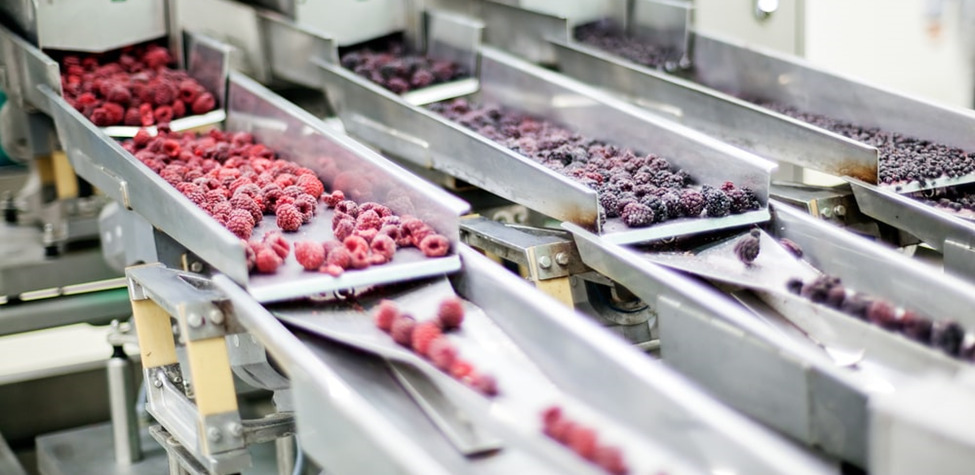
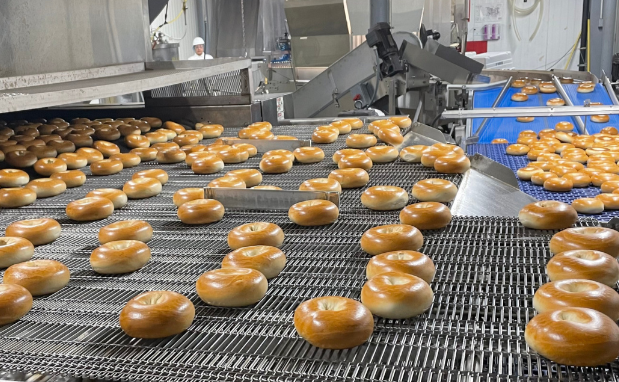
Widely used for meat, fish, vegetables, fruits, bakery products and packaged goods.
Food-grade PU or PVC belts are commonly used.
Modular Belt Conveyors
Ideal for wet areas and intensive wash-down environments.
Key advantages include durability, easy cleaning and flexible conveyor layouts.
Roller Conveyors (Roller Lines)
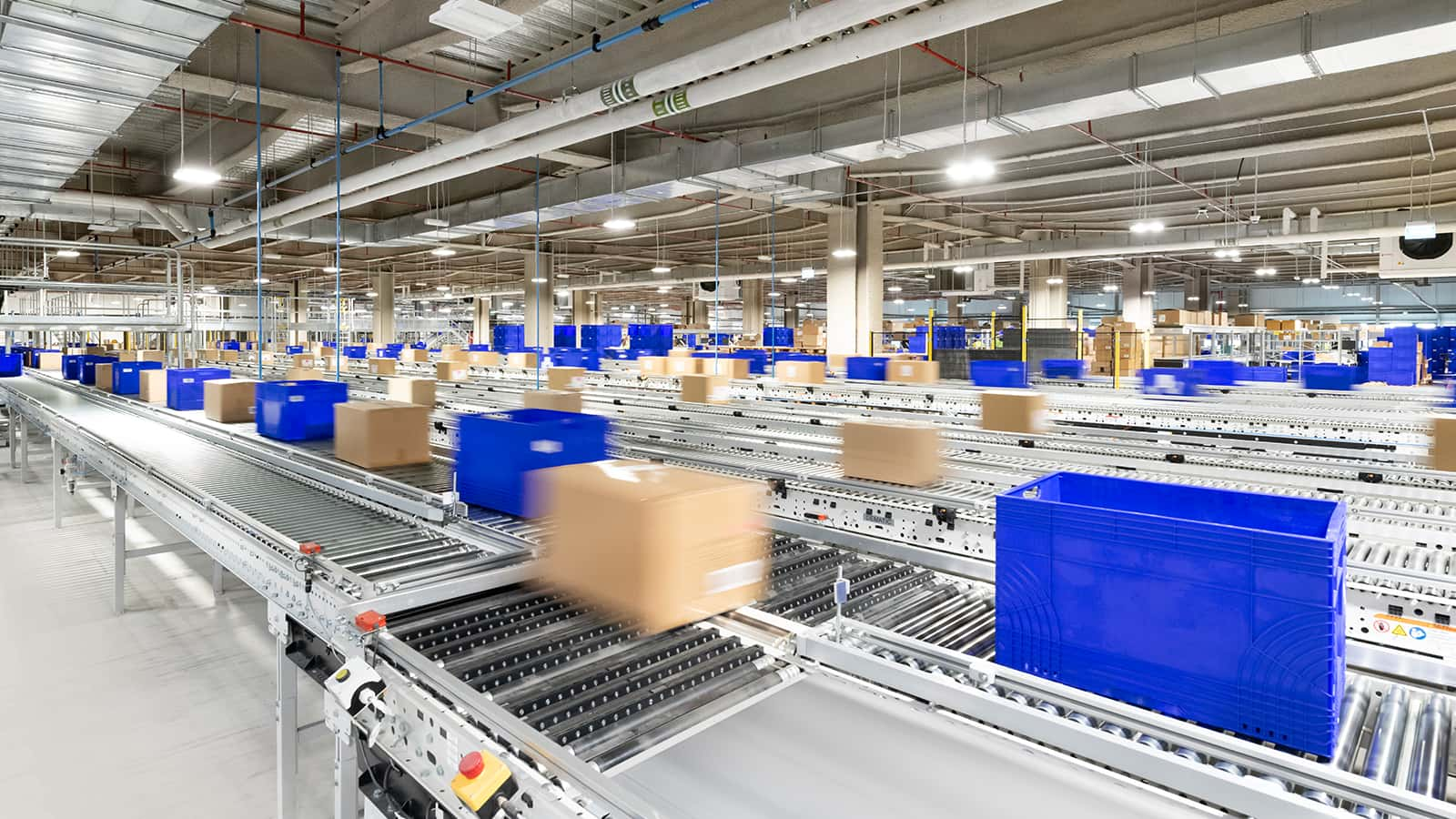
Used for boxes, crates and packaged products in logistics and packing areas.
Screw and Drag Conveyors
Designed for bulk food materials such as flour, sugar, grains and spices.
Food Conveyor Requirements
-
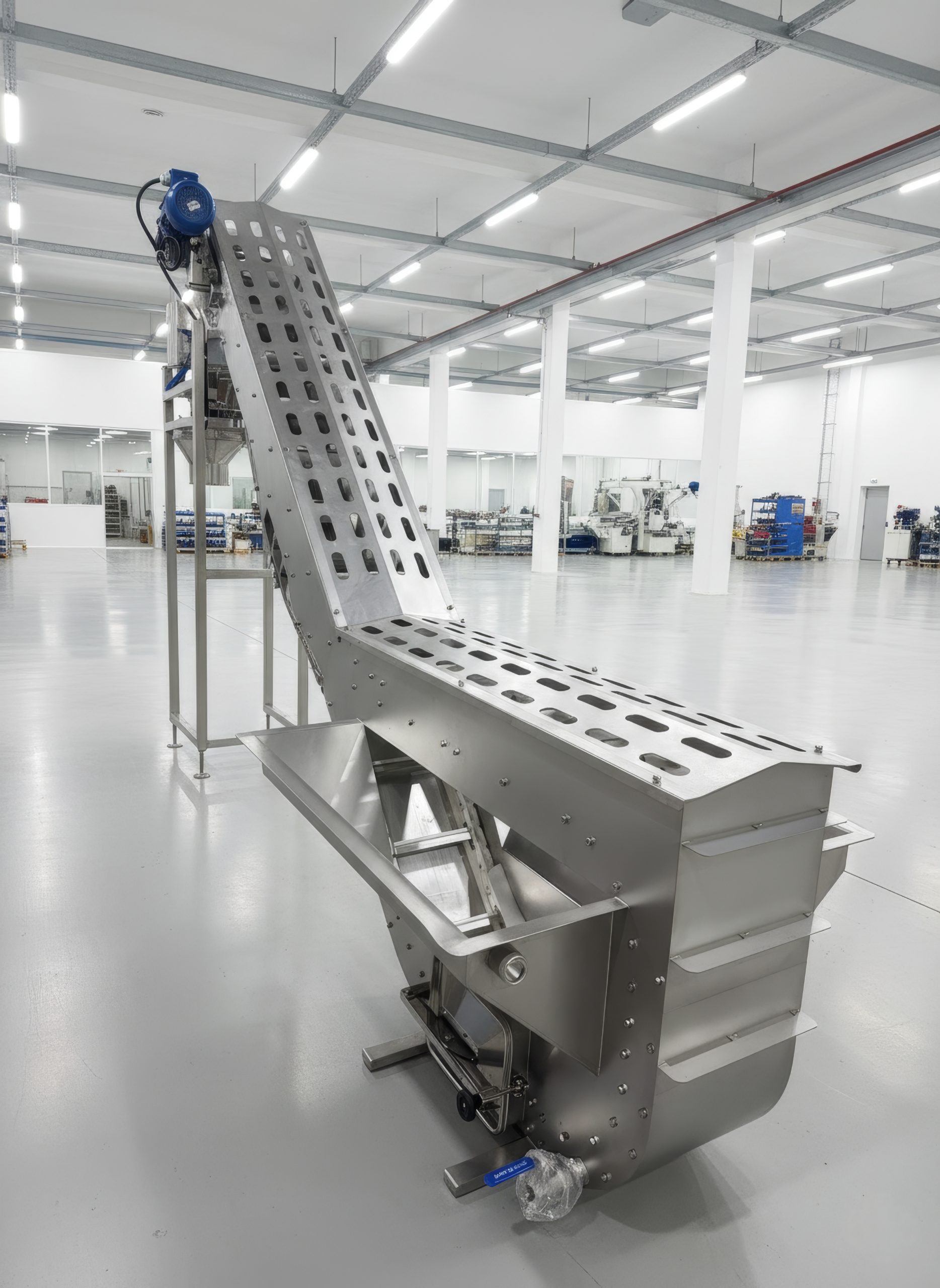
Stainless steel AISI 304 / AISI 316
-
Food-contact approved materials
-
Compliance with HACCP, ISO 22000, FDA, EC 1935/2004
-
Hygienic design for easy cleaning
-
Corrosion resistance and durability
Applications of Food Conveyors
-
meat and poultry processing
-
fish processing plants
-
bakery and confectionery production
-
dairy industry
-
packaging and sorting lines
-
fruit and vegetable processing
Benefits of Conveyor Automation
-
productivity increase by 30–300%
-
product loss reduction up to 40%
-
lower labor costs
-
fast return on investment
How to Choose and Order a Food Conveyor
Selecting the right conveyor requires analysis of product type, capacity, sanitary conditions and production layout.
KONSORT designs and manufactures customized conveyor solutions for the food industry — from individual conveyors to complete automated production lines.