
How to choose a conveyor for production: types, designs and selection criteria
A conveyor is one of the most critical components of modern production. When it operates smoothly, it goes unnoticed. But when it stops, an entire production line may come to a halt.
Industry studies show that manual material handling can consume up to 30% of labor time, while properly designed conveyor systems can improve throughput by 40–60%.
Buying a conveyor means investing in productivity, efficiency, and long-term growth.
Why a Conveyor Is an Investment
Automated material handling helps companies:
- reduce manual labor;
- minimize workplace injuries;
- improve throughput;
- reduce errors;
- decrease downtime.
Typical ROI for conveyor systems ranges from 8 to 18 months.
KONSORT has over 20 years of experience designing industrial conveyor systems for manufacturing, logistics, agriculture, and food processing.
Main Types of Conveyors
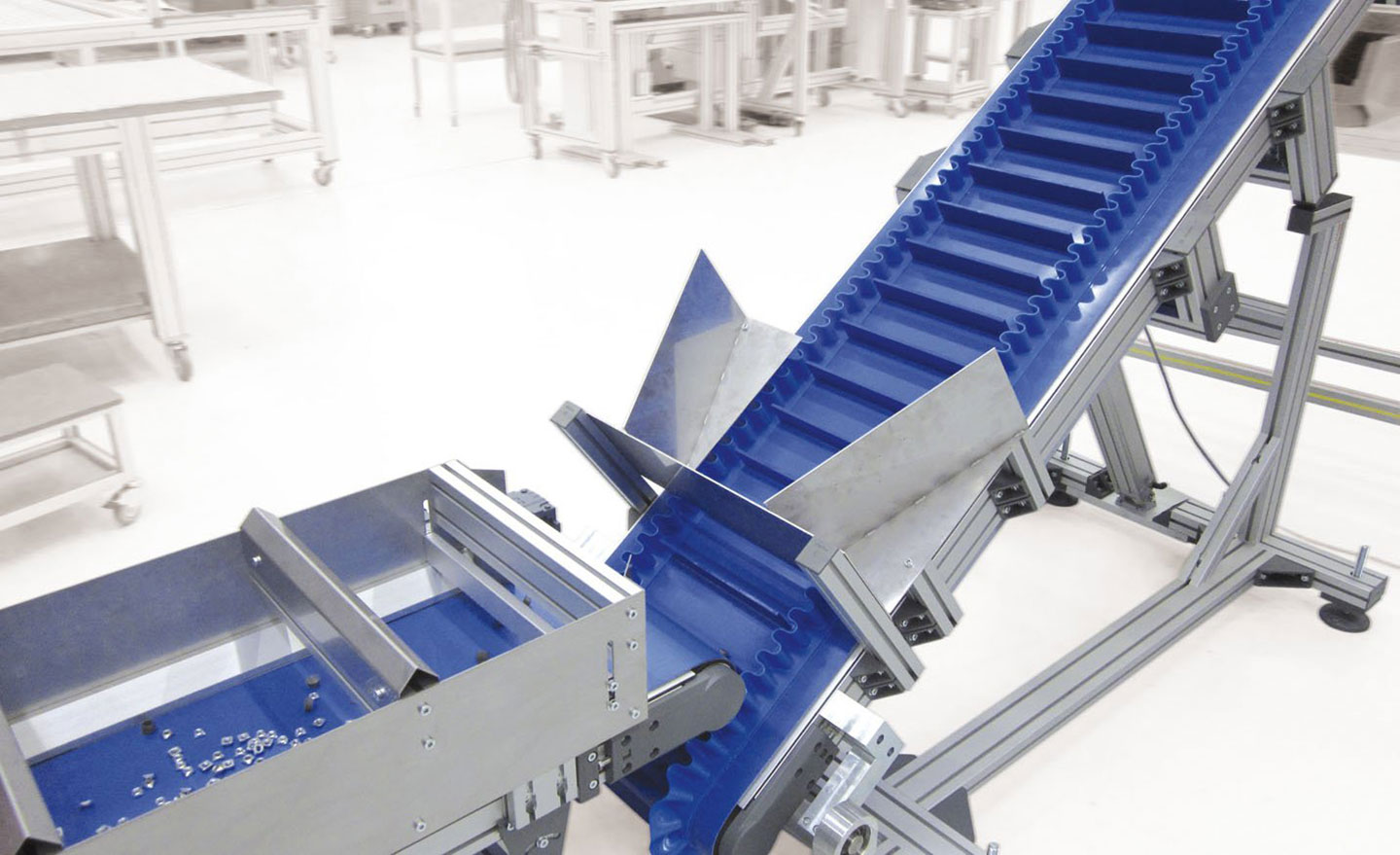
Belt Conveyor
The most common conveyor type.
Suitable for:
- boxes
- bulk materials
- fruits and vegetables
- food products
Advantages:
- versatility
- smooth transportation
- incline capability
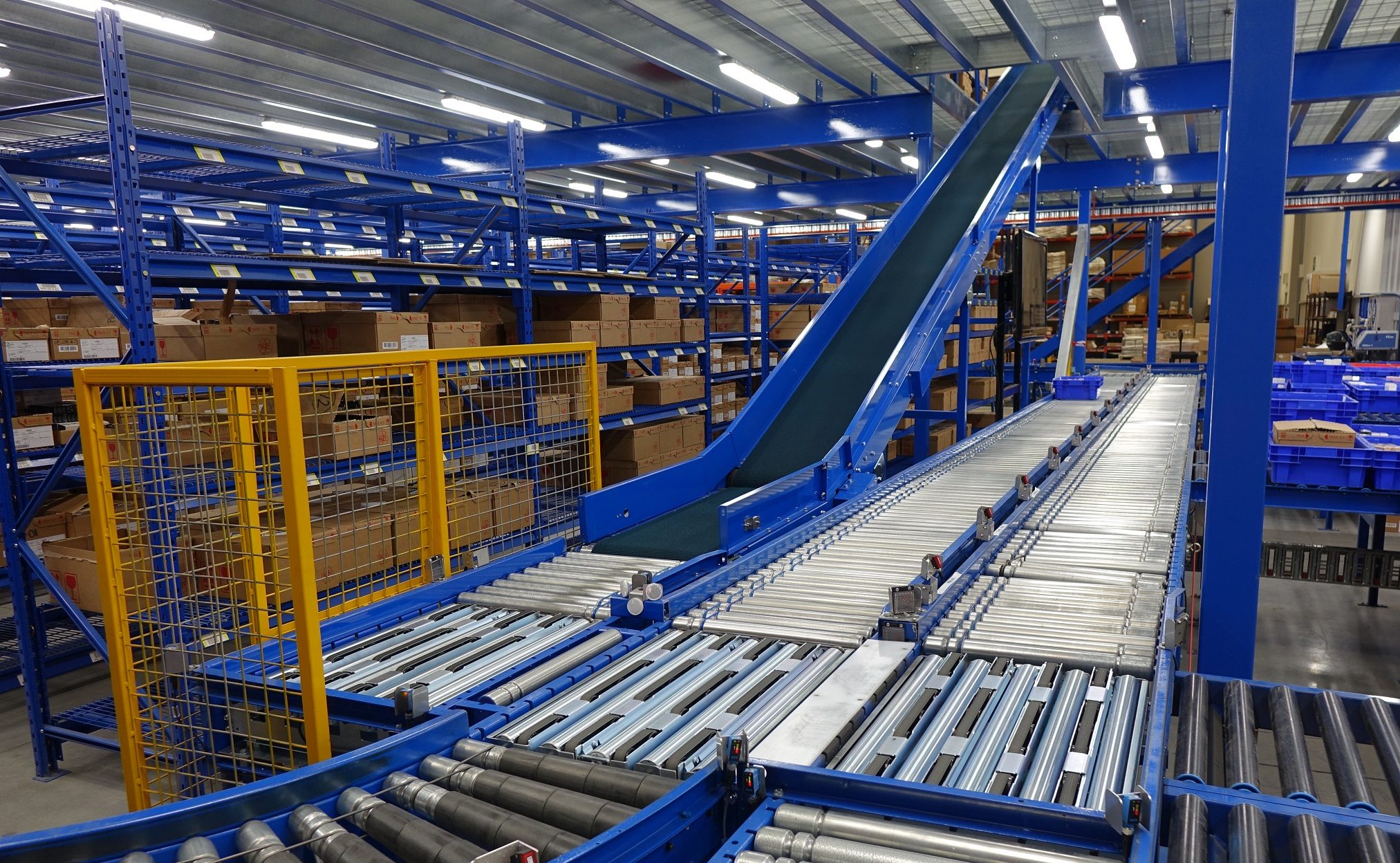
Roller Conveyor
Used for:
- pallets
- boxes
- containers
Advantages:
- high load capacity
- low maintenance
- long service life
Chain Conveyor
Designed for heavy-duty applications.
Common industries:
- metallurgy
- woodworking
- heavy manufacturing
Screw Conveyor
Ideal for bulk materials such as:
- grain
- flour
- cement
- pellets
Main advantage: sealed transportation with minimal dust.
7 Criteria for Choosing a Conveyor
1. Product Type
Weight, shape, fragility, and material properties matter.
2. Throughput
Always calculate peak capacity.
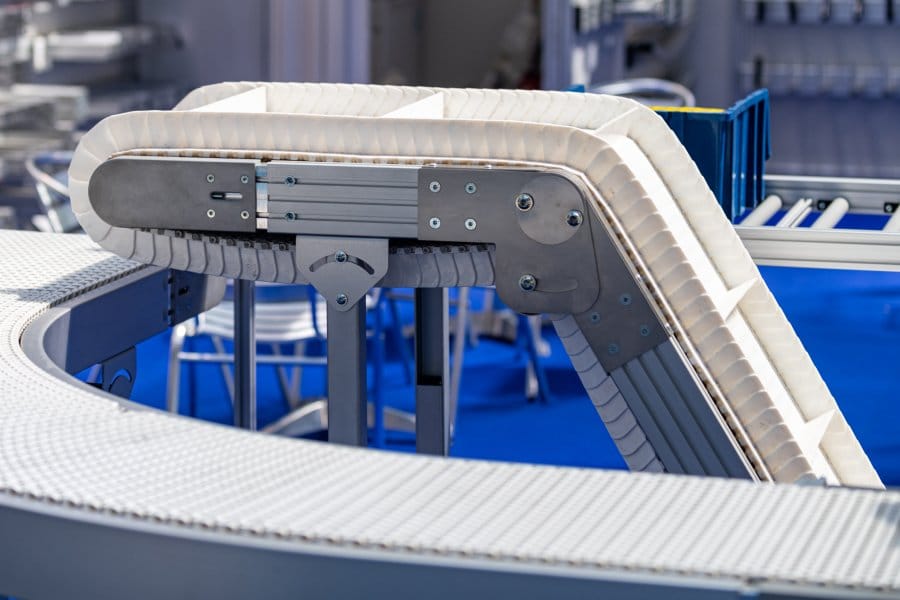
3. Conveyor Route
Straight lines, curves, and elevation changes matter.
4. Operating Environment
Temperature, humidity, hygiene requirements.
5. Integration
The conveyor must synchronize with existing equipment.
6. Serviceability
Fast maintenance reduces downtime.
7. Scalability
Plan capacity for future expansion.
Conveyor Price
The price depends on:
- length
- width
- materials
- automation
- drive system
Simple conveyors cost less, while complex automated systems require custom engineering.
Why KONSORT
- 20+ years on the market
- 7000+ completed projects
- ISO / CE certification
- in-house manufacturing
- design + installation + service
📞 Contact KONSORT for a free project estimation.